
There’s something deeply comforting about a rich, luscious sauce clinging to every strand of pasta, isn’t there? This Creamy Tomato Pasta Sauce Recipe captures that feeling perfectly—simple ingredients combine to create a sauce that’s silky, tangy, and downright irresistible. Trust me, it’s worth every minute you spend stirring and savoring.

Jump to:
Why You'll Love This Recipe
What I love most about this Creamy Tomato Pasta Sauce Recipe is how it balances intense tomato flavor with a delicate creaminess that feels indulgent but never heavy. It’s quick enough for a weeknight, yet elegant enough to serve guests without breaking a sweat.
- Quick & Simple: You’ll have this sauce simmering while pasta cooks, making dinner both speedy and stress-free.
- Ingredient Friendly: No need for fancy or hard-to-find items—just pantry staples you probably have on hand.
- Perfectly Balanced: The tomato paste packs a punch, but cream and parmesan mellow it out for a smooth finish you’ll crave.
- Customizable: You can easily tweak it by adding fresh herbs, spices, or switching up the pasta shape to suit your mood.
Ingredients & Why They Work
This sauce is like a little orchestra where every ingredient plays its part perfectly. Tomato paste gives deep umami and vibrant color, cream adds luscious texture, and parmesan melts in for that irresistible savory punch. Little aromatics like onion and garlic build the foundation, while lemon juice brightens the whole thing up.

- Olive oil: Helps gently cook the onion and garlic without burning, adding subtle fruitiness.
- Butter: Adds richness and helps mellow the acidity of the tomato paste.
- Onion: Softens and sweetens as it cooks, creating a mild base flavor. (Tip: If your onion feels huge, just eyeball half a small onion.)
- Garlic: Provides that classic savory aroma but careful not to brown it, or it’ll get bitter.
- Black pepper: Adds a gentle kick and complexity.
- Tomato paste: The concentrated tomato flavor that’s the heart of this sauce.
- Cream: Smooths out the acidic tomato with silky warmth, giving the sauce its signature creaminess.
- Parmesan cheese: Melts into the sauce, adding salty, nutty depth and helping thicken it naturally.
- Lemon juice: Just a splash to cut through richness and balance flavors.
- Salt: Enhances all the flavors — add it gradually and taste as you go.
- Dried or fresh pasta: You’ll want enough pasta to soak up all this sauce deliciousness—feel free to use your favorite shape!
Make It Your Way
I like to think of this sauce as a super flexible base—you can tailor it easily depending on what you have or how you’re feeling. Maybe you want to cozy up with a bit of spice, or keep it mild for the kids; either way, it’s forgiving and fun to tweak.
- Variation: Once, I swapped the cream for coconut milk to bring a subtle tropical twist. It was a hit with my friends who’d never tried non-dairy cream sauces before.
- Add herbs: Fresh basil or oregano stirred in at the end lifts the freshness beautifully.
- Spice it up: Toss in red pepper flakes during the garlic step if you like a bit of heat.
- Make it vegan: Use vegan butter, a plant-based cream, and nutritional yeast instead of parmesan. Still creamy and flavorful!
Step-by-Step: How I Make Creamy Tomato Pasta Sauce Recipe

Step 1: Get Your Pasta Water Boiling
Start by bringing a large pot of heavily salted water to a rolling boil. Salt is key here—it flavors the pasta, which in turn flavors your sauce once you mix them. The timing can feel a little fiddly at first, but once you get the hang of it, you’ll start the sauce about 3-4 minutes after the pasta goes in, so they finish almost together. And don’t forget to scoop out some pasta water before draining (about a mug) — it's liquid gold for loosening and perfecting your sauce.
Step 2: Sauté Your Aromatics
Heat the olive oil and butter together in a large frying pan over medium-high heat until shimmering. Toss in your finely chopped onions and let them sizzle for a moment, then reduce to medium-low so they soften gently without browning. After about 4-5 minutes, add in the garlic and black pepper, stirring continuously for another minute or two. Keeping the heat controlled here prevents bitter burnt garlic—something I've learned the hard way more than once!
Step 3: Build the Sauce Base
Next, whisk in the tomato paste, letting it cook for a minute or two until it deepens in color — this step really unlocks that umami depth. Then, slowly pour in the cream while stirring to combine, making sure the heat stays low so the sauce simmers gently. If the cream gets too hot, it might curdle, so keep an eye on that! Add the lemon juice and whisk it in quickly; if you worry about curdling, wait to add lemon at the very end with your pasta.
Step 4: Melt in the Parmesan
Now for the magic touch — add your finely grated parmesan in three batches, whisking constantly so it melts smoothly. This not only flavors the sauce but helps thicken it naturally. It’s so satisfying watching the sauce turn silky and glossy right before your eyes.
Step 5: Combine Pasta and Sauce
Drain your pasta but keep a bit of that starchy water nearby. Toss the pasta right into your sauce pan, add a splash (about ¼ cup) of reserved pasta water, and gently bubble everything together for a minute or two. This technique lets the pasta soak up the sauce without drying out and loosens it if the sauce feels thick. Taste and adjust salt here, because well-seasoned pasta sauce is everything.
Top Tip
Through cooking this Creamy Tomato Pasta Sauce Recipe multiple times, I’ve realized small details make a huge difference. These tips will help you nail it every time and avoid common pitfalls that can throw off the texture or flavor.
- Control your heat: Keep your pan at low-medium heat once you add cream to avoid curdling and a grainy texture.
- Reserve pasta water: It’s your secret weapon for loosening sauce and helping it cling perfectly to the noodles.
- Add lemon juice carefully: If unsure, add it at the very end — lemon brightens without risking separation.
- Use finely grated parmesan: It melts faster and steers clear of stringy clumps in your sauce.
How to Serve Creamy Tomato Pasta Sauce Recipe

Garnishes
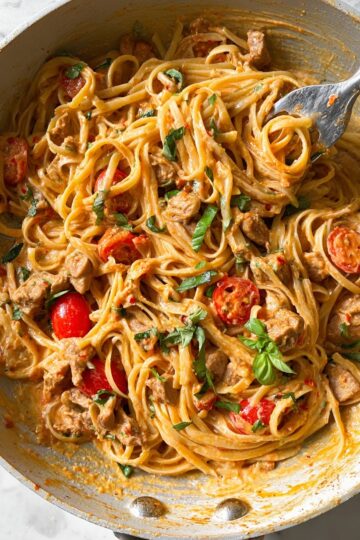
I’m a sucker for classics here—extra parmesan grated right on top, a crack of black pepper, and fresh basil leaves scattered for color and aroma. Sometimes I throw on chili flakes if friends join who love a little heat. Even a drizzle of good-quality olive oil adds that lovely finishing touch.
Side Dishes
This sauce pairs beautifully with simple sides: my go-to is a crisp iceberg wedge salad tossed in a tangy vinaigrette to cut through the richness. Garlic bread or a crusty baguette works perfectly for scooping up every last bit. For something heartier, roasted veggies like zucchini or bell peppers complement the tomato’s sweetness.
Creative Ways to Present
For dinner parties, I sometimes serve this sauce nestled over stuffed pasta shells or layered in a baked pasta bake with mozzarella on top, then baked until bubbly and golden. It’s such a crowd-pleaser and adds that wow factor without extra hassle. You can also swirl in pesto for a herby twist or garnish with toasted pine nuts for crunch.
Make Ahead and Storage
Storing Leftovers
I store leftovers in an airtight container in the fridge and usually eat them within 2-3 days. The sauce thickens as it chills, so I add a splash of water or cream when reheating to get back that perfect creaminess. Stir gently over low heat and avoid boiling to keep the texture smooth.
Freezing
This sauce freezes well in portions. I spoon it into freezer-safe containers or bags and freeze for up to 3 months. When thawing, defrost in the fridge overnight and warm gently on the stove, whisking in a bit of cream or pasta water to bring back that fresh-made feel.
Reheating
To reheat, I usually warm the sauce over low heat in a saucepan or microwave in short bursts, stirring between, and add reserved pasta water or a splash of cream as needed. This keeps the sauce smooth and prevents it from drying out or separating. Recombine with freshly cooked pasta for the best experience.
Frequently Asked Questions:
While tomato paste provides concentrated flavor and thickness, you can use canned tomatoes but you’ll need to cook the sauce longer to reduce the liquid and intensify flavor. If so, blend canned tomatoes first and gently simmer until it thickens before adding cream.
Heavy cream or double cream works best as it adds richness and helps the sauce stay silky. Lighter creams might curdle if overheated. For dairy-free variations, coconut cream or oat cream are good substitutes, but watch your simmering temperature carefully.
Keep the heat low once you add cream to avoid boiling. Adding lemon juice too early or on high heat can cause curdling. If you’re worried, add lemon juice at the end with the pasta and stir gently to combine.
Yes! You can make the sauce a day in advance and store it in the fridge. Just reheat gently with a splash of cream or pasta water and toss with freshly cooked pasta for best texture and flavor.
Final Thoughts
Honestly, this Creamy Tomato Pasta Sauce Recipe feels like a little culinary hug—comforting, familiar, and completely satisfying. It’s simple to make but feels luxurious enough to treat yourself any night of the week. I hope you have as much fun making it as I do sharing it, and that it becomes your go-to when you want something cozy, tasty, and effortlessly delicious. Grab your whisk, your favorite pasta, and get ready to fall in love all over again with a sauce that truly sings.
Print
Creamy Tomato Pasta Sauce Recipe
- Prep Time: 5 minutes
- Cook Time: 15 minutes
- Total Time: 20 minutes
- Yield: 2 servings
- Category: Main Course
- Method: Stovetop
- Cuisine: Italian
- Diet: Vegetarian
Description
A rich and creamy tomato pasta sauce made with tomato paste, cream, butter, and parmesan, perfect for tossing with your favorite pasta for a comforting meal.
Ingredients
Sauce
- 1 tablespoon olive oil
- 2 tablespoons (30 grams) butter
- ½ onion, finely chopped (about 70 grams)
- 3 garlic cloves, finely diced
- ½ teaspoon black pepper
- ¼ cup (70 grams) tomato paste
- ¾ cup cream
- 40 grams parmesan, finely grated
- 1 tablespoon lemon juice
- Salt to taste
Pasta
- 200 grams dried pasta or 300 grams fresh pasta
Instructions
- Boil Pasta: Bring a large pot of heavily salted water to a boil for cooking the pasta. Cook the pasta until just before al dente, timing it so you can add it straight into the sauce. Reserve about ¼ cup of pasta water before draining if you drain it early.
- Sauté Onions: Heat the olive oil and butter in a large frying pan over medium-high heat. Add the finely chopped onions and cook until sizzling, then reduce heat to medium-low and cook for 4 to 5 minutes until soft and translucent.
- Add Garlic and Pepper: Stir in the diced garlic and black pepper. Cook gently for 1 to 2 minutes without browning, reducing heat to low if necessary.
- Add Tomato Paste: Stir in the tomato paste and whisk to combine. Cook for 1 to 2 minutes to deepen the flavor.
- Add Cream: Lower the heat to low-medium and gradually whisk in the cream. Keep the sauce at a very gentle simmer, adjusting the heat to low if needed to prevent curdling.
- Add Lemon Juice: Quickly whisk in the lemon juice. To avoid curdling, you can also add the lemon juice later with the cooked pasta if preferred.
- Incorporate Parmesan: Add the parmesan cheese in three portions, whisking well between each addition to allow it to melt smoothly into the sauce.
- Combine Pasta and Sauce: Add the cooked pasta directly into the sauce along with about ¼ cup of reserved pasta water. Allow the pasta to bubble gently in the sauce for 1 to 2 minutes, thickening it slightly. Add more pasta water if needed to loosen the sauce.
- Season and Serve: Taste the sauce and add salt as needed. Serve immediately, optionally topped with extra parmesan, black pepper, and fresh basil leaves for garnish.
Notes
- If using large onions as found in the USA, a half onion weighs about 70 grams; adjust accordingly.
- Practice timing your pasta cooking to add it immediately to the sauce for better flavor absorption.
- Always reserve some pasta water before draining; it's essential for adjusting sauce consistency.
- The sauce is intentionally made quite saucy as the pasta will absorb it while resting.
- This sauce pairs wonderfully with a simple iceberg wedge salad.
Nutrition
- Serving Size: 1 serving
- Calories: 450 kcal
- Sugar: 5 g
- Sodium: 600 mg
- Fat: 30 g
- Saturated Fat: 18 g
- Unsaturated Fat: 10 g
- Trans Fat: 0 g
- Carbohydrates: 30 g
- Fiber: 3 g
- Protein: 12 g
- Cholesterol: 70 mg



Leave a Reply