
Nothing beats the fresh, vibrant flavors of a garden-fresh pasta dish in a flash. This Quick Vegetable Pasta Primavera Recipe boasts crisp veggies brightened with a touch of lemon and creamy Parmesan, making it a perfect weeknight supper or easy dinner party star.

Jump to:
Why You'll Love This Recipe
I have to say, this recipe feels like a little celebration of veggies in every bite. It’s quick enough for busy nights but tastes like you put in so much effort. It’s fresh, colorful, and the creamy sauce ties everything together without weighing it down.
- Speedy Cooking: You get a fresh, vibrant meal on the table in about 30 minutes, perfect for any day.
- Veggie Variety: A medley of vegetables means you’re getting tons of flavor and texture in every forkful.
- Customizable: Feel free to swap out veggies based on what’s fresh or what you have in the fridge.
- Saucy & Comforting: The creamy lemon-Parmesan sauce is the heart of this dish – rich yet refreshing.

Ingredients & Why They Work
The ingredients here balance freshness, texture, and flavor beautifully. The pasta acts as the tasty canvas, while the vegetables bring that snappy brightness. The sauce is your creamy, comforting glue, but it stays light thanks to lemon and herbs.

- Cavatappi (or short pasta): This curly pasta holds sauce and veggies perfectly—penne or fusilli work great too.
- Extra virgin olive oil: Adds a fruity richness and helps sauté veggies to tender-crisp perfection.
- Red onion: Gives a mild sweetness and depth, brightening the veggie mix.
- Broccoli florets: I love these for their crunch and burst of green color.
- Yellow squash & zucchini: These mild vegetables soak up the sauce and add lovely texture contrasts.
- Asparagus: Adds a distinctive earthy flavor and great snap when cooked al dente.
- Red bell pepper: Sweet, fresh, and vibrant, it livens up the dish and adds color.
- Cherry tomatoes: They soften just right, some bursting for little pops of juiciness.
- Garlic & red pepper flakes: A flavor punch with a subtle kick.
- Heavy cream (or evaporated milk): Creates the silky, luscious sauce that coats everything without feeling heavy.
- Chicken broth: Adds savory depth and helps thin the sauce to just the right consistency.
- Cornstarch: A small thickener so the sauce becomes beautifully creamy but doesn’t get gloopy.
- Dried oregano, parsley & thyme: Classic Italian herbs that make the sauce aromatic and layered.
- Lemon juice: Brightens the entire dish, balancing the creaminess with fresh acidity.
- Parmesan cheese: Freshly grated for best melt and intense cheesy flavor—never sub with pre-grated powders!
- Frozen petite peas: A sweet surprise in almost every bite and a pop of green that feels like spring.
- Fresh basil: I toss this in at the end for that wonderful herbal lift and aroma.
Make It Your Way
I usually stick to the veggies listed here because I love their textures together, but this recipe truly welcomes your own spin. You can make it meatier, lighter, or more herbaceous depending on your mood or what’s in your kitchen.
- Add Protein: I sometimes toss in grilled chicken or sautéed shrimp to stretch this into a heartier dinner—it pairs so well with the creamy lemon sauce.
- Vegan Twist: Swap the cream for coconut milk and Parmesan for nutritional yeast or vegan cheese for a delightful plant-based option.
- Extra Veggie Kick: Try adding snap peas, mushrooms, or baby spinach if you want more greens or earthiness.
- Heat Things Up: Increase red pepper flakes or throw in a dash of smoked paprika for extra depth and warmth.
Step-by-Step: How I Make Quick Vegetable Pasta Primavera Recipe
Step 1: Perfectly Cook the Pasta
I start by boiling salted water. Cooking the pasta until al dente is key—about 2-3 minutes less than the package suggests. It should still have a slight bite to it, because it’ll continue to cook when mixed with the sauce. Before draining, make sure to save half a cup of that starchy pasta water; it’s gold for adjusting sauce thickness later.
Step 2: Sauté Your Veggies to Tender-Crisp
Heat 3 tablespoons of olive oil and toss in the red onions and broccoli first—they take a little longer and have robust flavors that mellow after cooking a bit. After about 3 minutes, add the squash, zucchini, asparagus, and bell pepper. Season lightly with salt and pepper and cook just two more minutes so everything stays crisp but tender. Then add your cherry tomatoes last and transfer the whole colorful mix to a bowl.
Step 3: Create that Luxurious Sauce
In the same pan—cleaned out now—add the final tablespoon of olive oil and sauté minced garlic with red pepper flakes for just 30 seconds until fragrant. Lower the heat and stir in the cream gently. Whisk chicken broth and cornstarch together, then add it along with oregano, parsley, thyme, and a pinch of salt. Let it simmer and thicken for about 3 to 5 minutes. Finally, stir in half the Parmesan and lemon juice to brighten everything up. Add the peas and chopped basil, letting them warm through gently.
Step 4: Bring It All Together
Return the veggies to the sauce and mix well. Then add your pasta and toss gently to coat everything evenly. Use that reserved pasta water a little at a time if the sauce feels thicker than you like; I often don’t need to add any. Give it one last taste and adjust salt and pepper. Serve it up with an extra sprinkle of Parmesan and fresh basil if you’re feeling fancy.
Top Tip
When I first made this Quick Vegetable Pasta Primavera Recipe, I learned firsthand that timing is everything—especially with the veggies. Here’s what I’ve picked up to make sure your dish turns out vibrant and not mushy.
- Don’t Overcook Veggies: Use a timer to keep the veggies tender-crisp. Mushy vegetables can really drag down the whole dish.
- Al Dente Pasta: Testing your pasta a few minutes early preserves that perfect texture, especially if you’re reheating leftovers later on.
- Use Fresh Parmesan: Freshly grated cheese melts seamlessly, giving you that silky texture and richer flavor that pre-grated can’t match.
- Adjust Lemon to Taste: I wrote 2 tablespoons here, but depending on your palate, adding more lemon juice can bring a lovely fresh zing to balance the cream.
How to Serve Quick Vegetable Pasta Primavera Recipe

Garnishes
I keep it simple with a sprinkle of freshly grated Parmesan and torn fresh basil leaves—those little touches make the dish pop both visually and flavor-wise. Sometimes I add a drizzle of good olive oil or a light sprinkle of crushed red pepper if folks want a bit more heat.
Side Dishes
I like pairing this pasta primavera with a crisp side salad—arugula with lemon vinaigrette is my go-to—or warm, crusty bread to soak up every creamy drop of sauce. Roasted garlic bread or a rustic focaccia work beautifully.
Creative Ways to Present
For dinner parties, I’ve served this in individual shallow bowls, adding a twirl of fresh basil pesto on top for an extra herb layer. Another fun idea is to stuff hollowed zucchini boats with the pasta primavera mixture for a pretty vegetarian main.
Make Ahead and Storage
Storing Leftovers
Leftovers keep well in an airtight container in the fridge for up to five days. Since everything stays tender-crisp and saucy, it reheats quite nicely without losing texture—just be sure to undercook pasta slightly the first time.
Freezing
I’ve tried freezing it, but because of the cream sauce and vegetables, I prefer to keep this recipe fresh. If you must freeze, do so without the sauce and add fresh sauce when you reheat for best results.
Reheating
I usually warm leftovers gently on the stove over medium-low heat, stirring often and adding a splash of milk or broth to loosen the sauce. The microwave works fine too—just add a splash of liquid and heat in short bursts, stirring in between.
Frequently Asked Questions:
Absolutely! While I love cavatappi for its sauce-grabbing curls, short pasta shapes like penne, fusilli, or orecchiette all work fantastic. Just cook them al dente for the best texture.
The key is cooking the vegetables just until tender-crisp and timing is everything. I suggest sautéing them in batches if needed and using a timer to keep track. Overcooking is the quickest way to lose the fresh texture crucial to this dish.
Yes! Swap heavy cream for coconut milk or a plant-based cream and replace Parmesan with nutritional yeast or vegan cheese alternatives. The flavor profile changes slightly, but you still get that creamy, comforting feel.
You can cook the pasta al dente, rinse with cool water, and toss with a bit of olive oil before storing. Chop veggies and prepare garlic and basil in advance. Then when you’re ready, sauté veggies, make the sauce, and combine everything for a fresh meal in under 30 minutes.
Final Thoughts
This Quick Vegetable Pasta Primavera Recipe has become my go-to for a fast, feel-good dinner that still feels special. I love how it balances light, fresh veggies with creamy, comforting sauce without ever being boring. Give it a try—you’ll enjoy the simplicity and the vibrant flavors just as much as I do.
Print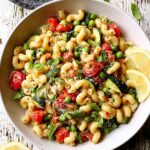
Quick Vegetable Pasta Primavera Recipe
- Prep Time: 15 minutes
- Cook Time: 15 minutes
- Total Time: 30 minutes
- Yield: 6 servings
- Category: Main Course
- Method: Stovetop
- Cuisine: Italian
- Diet: Vegetarian
Description
This vibrant Pasta Primavera is a delightful combination of perfectly cooked pasta and tender-crisp vegetables in a creamy, flavorful sauce with fresh herbs and Parmesan cheese. A fresh, colorful dish ideal for a light yet satisfying meal.
Ingredients
Pasta
- 12 oz. cavatappi or other short pasta such as penne, fusilli, or orecchiette
Vegetables
- ½ medium red onion chopped
- 2 cups broccoli florets cut into 1-inch pieces
- 1 medium yellow squash sliced and quartered
- 1 medium zucchini sliced and quartered
- 8 oz asparagus trimmed, cut into 1 ½-inch pieces
- 1 medium red bell pepper chopped
- 1 ½ cup cherry tomatoes halved
- salt and pepper to taste
- 4 cloves garlic minced
- ¼ teaspoon red pepper flakes
- 1 ½ cups frozen petite peas thawed
- ¼ cup fresh basil chopped
Sauce
- 4 tablespoons extra virgin olive oil divided
- 1 cup heavy cream (may sub evaporated milk)
- 1 ½ cups chicken broth
- 1 tablespoon cornstarch
- 1 ½ teaspoons dried oregano
- 1 ½ teaspoons dried parsley
- ½ teaspoon dried thyme
- 2 tablespoons lemon juice
- ¾ cup freshly grated Parmesan cheese divided
Instructions
- Cook Pasta: Bring a large pot of salted water to a boil. Cook pasta according to package directions until al dente. Reserve ½ cup pasta water, then drain the pasta and set aside.
- Sauté Vegetables: While pasta cooks, heat 3 tablespoons olive oil in a large deep saucepan or skillet over medium-high heat. Add chopped red onions and broccoli florets; sauté for 3 minutes until they begin to soften.
- Add More Vegetables: Add yellow squash, zucchini, asparagus, red bell pepper, and cherry tomatoes. Season with ¼ teaspoon salt and ¼ teaspoon pepper. Sauté for 2 minutes more until vegetables are tender-crisp. Transfer vegetables to a large bowl and set aside.
- Prepare Sauce: In the now-empty skillet, heat 1 tablespoon olive oil over medium heat. Add minced garlic and red pepper flakes; sauté for 30 seconds until fragrant. Reduce heat to low and add heavy cream.
- Thicken Sauce: In a small bowl, whisk chicken broth with cornstarch until combined. Add mixture to skillet along with dried oregano, dried parsley, dried thyme, and ¼ teaspoon salt. Simmer gently for 3 to 5 minutes until sauce thickens.
- Finish Sauce: Reduce heat to low. Stir in ½ cup Parmesan cheese until melted. Add lemon juice, thawed peas, and fresh chopped basil; warm through for 1 to 2 minutes.
- Combine Pasta and Vegetables: Return sautéed vegetables to the skillet with the sauce. Add cooked pasta and toss to combine evenly. If sauce is too thick, add reserved pasta water a little at a time to reach desired consistency.
- Season and Serve: Taste and adjust seasoning with salt and freshly cracked black pepper. Garnish with remaining ¼ cup Parmesan cheese or more as desired. Serve immediately.
Notes
- Do not overcook vegetables; they should remain tender-crisp for the best texture.
- Cook pasta al dente; test 2-3 minutes before package time to avoid mushiness.
- Use a large deep saucepan, braiser, or Dutch oven for cooking vegetables and sauce comfortably.
- Feel free to substitute or add other vegetables with varied textures and colors.
- Using freshly grated Parmesan cheese is essential for flavor and melt quality; avoid pre-shredded cheese.
- Add lemon juice to taste; 2 tablespoons gives a pleasant lemony brightness.
- Leftovers store well refrigerated up to five days in an airtight container.
- Reheat gently in microwave with a splash of milk or on stove with occasional stirring to prevent drying.
- For prep ahead, cook pasta al dente and cool with oil to prevent sticking, chop vegetables and aromatics, and grate cheese separately.
Nutrition
- Serving Size: 1 serving
- Calories: 420 kcal
- Sugar: 6 g
- Sodium: 580 mg
- Fat: 18 g
- Saturated Fat: 7 g
- Unsaturated Fat: 9 g
- Trans Fat: 0 g
- Carbohydrates: 50 g
- Fiber: 5 g
- Protein: 14 g
- Cholesterol: 45 mg



Leave a Reply